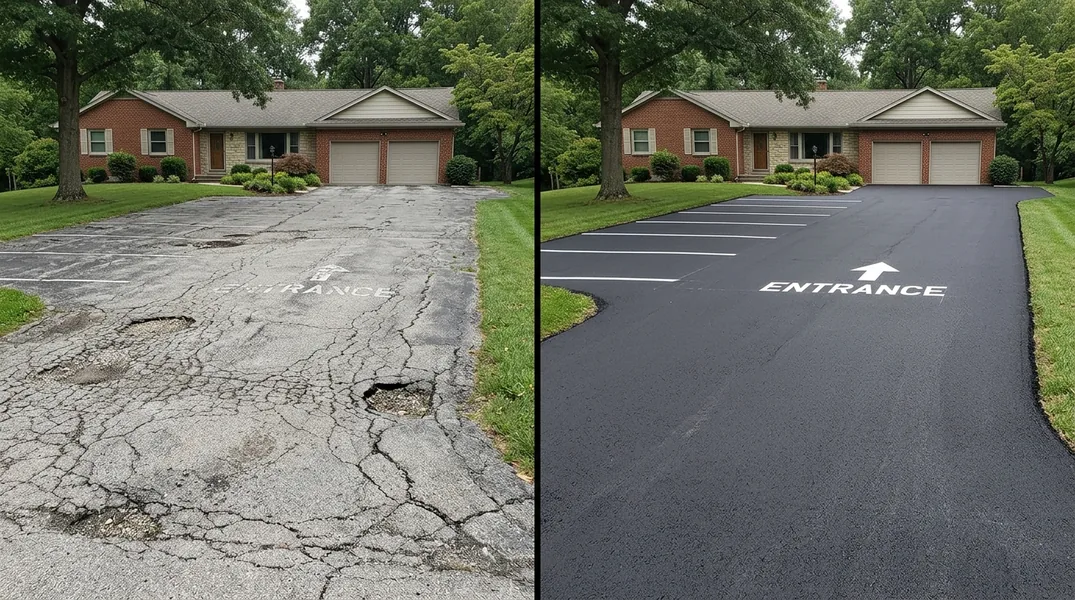
Understanding Driveway Aprons and Their Critical Slope
A driveway apron is the section of pavement that connects your driveway to the street, and it's one of the most overlooked yet functionally important parts of your property's infrastructure. In Bloomington, where we experience seasonal freeze-thaw cycles and significant rainfall, the apron's slope is absolutely critical. This transition zone must be graded to direct water away from your home's foundation and toward the street drainage system, preventing pooling and the damage that comes with standing water.
The slope of a properly built apron typically ranges from 1 to 2 percent grade, which means for every 100 feet of length, the pavement drops 1 to 2 feet in elevation. This gentle but purposeful slope is what keeps water moving and prevents the erosion, settling, and cracking that plague poorly graded aprons. When an apron loses its slope due to settling, frost heave, or poor initial installation, water begins to pool against the street edge or back toward your driveway, creating conditions that accelerate deterioration.
Why Drainage Failure Leads to Alligator Cracking
Alligator cracking, also called map cracking or crazing, is one of the most visible signs that your asphalt apron has serious underlying problems. This pattern of interconnected cracks resembles the scales on an alligator's back, and it typically indicates that water has penetrated the asphalt surface and is breaking down the base layers beneath. When a Bloomington apron loses its slope, water no longer drains away but instead seeps into the pavement structure, weakening the bond between layers and causing the surface to crack and spall.
The freeze-thaw cycle makes this problem worse. Water trapped in the asphalt expands when it freezes, pushing the surface upward and creating stress. When it thaws, voids are left behind. Over multiple seasons, this cycle repeats, and small cracks expand into the characteristic alligator pattern. Driveway Repair for alligator cracking is often more expensive than preventive maintenance, which is why addressing slope and drainage early is so important. If your apron already shows these patterns, professional assessment is essential to determine whether Asphalt Resurfacing & Overlay can save it or if full replacement is necessary.
Asphalt Overlay vs. Replacement: Which Solution Fits Your Apron?
The choice between asphalt overlay and replacement is one of the most important decisions you'll make when addressing a failing apron. An overlay, also called resurfacing, involves applying a fresh layer of asphalt over the existing surface. This approach is faster, less disruptive, and generally costs less upfront. However, an overlay only works if the base structure is still sound and the slope is adequate. If your apron has settled, developed a reverse slope, or shows extensive alligator cracking that penetrates deep into the base, an overlay will simply fail again within a few years because it doesn't address the root problem.
Full replacement, by contrast, removes the old asphalt completely and rebuilds the apron from the base up. This allows contractors to correct the slope, repair any base failures, improve drainage, and install new asphalt with proper compaction and finishing. While replacement costs more initially, it provides a long-term solution that will last 15 to 20 years with proper maintenance. The decision often comes down to the extent of damage and whether the existing base can support an overlay. A professional inspection from Bloomington Asphalt Paving can help you understand which approach makes sense for your specific situation. Contact us at (812) 778-1395 to discuss your apron's condition and get a clear recommendation.
Driveway Replacement Cost in Bloomington: What to Budget
Understanding pricing for apron work helps you plan and avoid surprises. A typical asphalt overlay for a standard residential apron (roughly 12 feet wide by 20 feet long) might range from $400 to $800, depending on the current condition and local material costs. Full replacement of the same apron, including base repair and proper grading, typically runs $1,200 to $2,500. These figures can vary based on soil conditions, drainage requirements, and the specific slope correction needed in your area.
Several factors influence the final cost. If the apron has settled significantly and requires extensive base work to restore proper slope, labor costs will increase. If drainage improvements such as French drains or underdrain systems are necessary, that adds to the investment. Material quality also matters; thicker, higher-quality asphalt mixes designed for heavy traffic or harsh climates cost more but last longer. Rather than guessing, request a free estimate from Bloomington Asphalt Paving. Our team will assess your apron's condition, explain the options, and provide transparent pricing so you can make an informed decision.
Preventing Future Apron Failure: Maintenance and Best Practices
Once your apron is properly installed or repaired, maintenance is the key to avoiding costly problems down the road. Seal coating every 2 to 3 years protects the asphalt surface from UV damage, oxidation, and water penetration. Regular cleaning removes debris that can trap moisture, and prompt attention to small cracks prevents them from expanding into larger failures. In Bloomington, where winter weather is harsh, clearing snow and ice promptly and avoiding harsh de-icing salts where possible extends pavement life significantly.
Monitoring your apron's slope and drainage is equally important. After heavy rains, walk your property and observe where water flows. If water pools on the apron or backs up toward your driveway, the slope may have changed due to settling. Address this early with Pothole Repair & Asphalt Patching or targeted repairs before small issues become major ones. If you notice new cracks forming, have them sealed immediately. These simple practices can add 5 to 10 years to your apron's lifespan and save you thousands in premature replacement costs.
Professional Asphalt Driveway Installation Near Me: Why Quality Matters
When it comes to Asphalt Driveway Paving & Installation, especially for critical transition zones like aprons, quality workmanship makes all the difference. A contractor who understands proper slope, base preparation, compaction, and finishing will deliver an apron that sheds water effectively and resists cracking for years. Conversely, a contractor who cuts corners on grading or uses inadequate base material may create the same problems you're trying to fix.
Bloomington Asphalt Paving brings decades of local experience to every project. We understand the specific soil conditions, drainage challenges, and weather patterns in our area. We use industry-standard equipment, quality materials, and proven techniques to ensure your apron is built to last. Whether you're dealing with alligator cracking, poor drainage, or planning a new installation, we're here to help. Call us today at (812) 778-1395 or visit our website at https://bloomington-in-asphalt.com to schedule your consultation and see why local homeowners trust us with their asphalt needs.
Looking for a professional asphalt paving contractor in Bloomington? Bloomington Asphalt Paving responds fast for all your asphalt paving needs.
Get a Free Quote